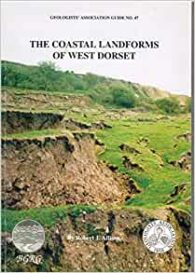

This is one of the oldest of the GA’s guides and is currently in its third edition (the first having been published in 1957 and the second in 1972). Although there have been changes in classification and so on, the general exposures are largely as good as they used to be – or they were the last time I went!

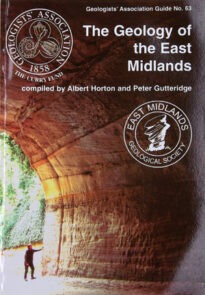
This is another lovely guide by the GA to an area that perhaps readers would not associate with good geology. But, of course, that is because of its title, because the areas like Pendle Hill and Derbyshire are wonderful, not just to visit for their geology, but also for their holiday appeal.

This book would seem to be the follow up to the well-received A History of Life in 100 Fossils. However, this time, this glossy hardback tells the story of plants on earth using significant fossils that are, for the most part, kept at the Natural History Museum in London. Like that other book, it is set out in a simple format, in which a couple of sides of text are used to describe a full page colour photograph of the fossil in question.

I love the Scottish Highlands and I am proud to say that I have climbed many of the mountains covered in the glossy hardback. But, as I say in the other book review on this page, it is more than a picture book. It contains some excellent and fascinating science explaining their outstanding beauty.

I have to admit that I hadn’t heard of ‘hydrogeology’ before, but I should have. Hydrogeology is an important and vibrant sub-set of geological science, dealing with the distribution and movement of water –groundwater – in the Earth’s soil and rocks. Groundwater transport is one part of the overall hydrological cycle in which water is transferred by evaporation from the oceans and seas into the atmosphere.

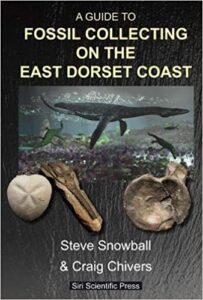
I like fossils, but it is always nice to have a brief but informative guide to the actual science behind one’s finds. And this Dunedin guide certainly fits the bill for amateurs and undergraduates alike.