
Fossils of the Oxford Clay was the fourth published guide by PalAss and covers the eponymous Jurassic Oxford Clay, which has been the major source of brick clay in the UK, notwithstanding the closures of clay pits in the Peterborough area over the years since this was published.

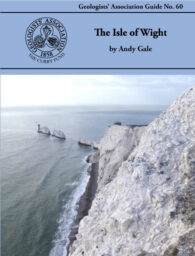
Once upon a time, I would have said that the only reason to buy this sort of guide is to look at the (black and white) photos of dinosaurs and their bones, and learn about the terrestrial life of what is now the Isle of Wight. However, this is obviously wrong. Of course it is possible for amateurs, as well as professionals, to find dinosaur bones on the beaches of the island.

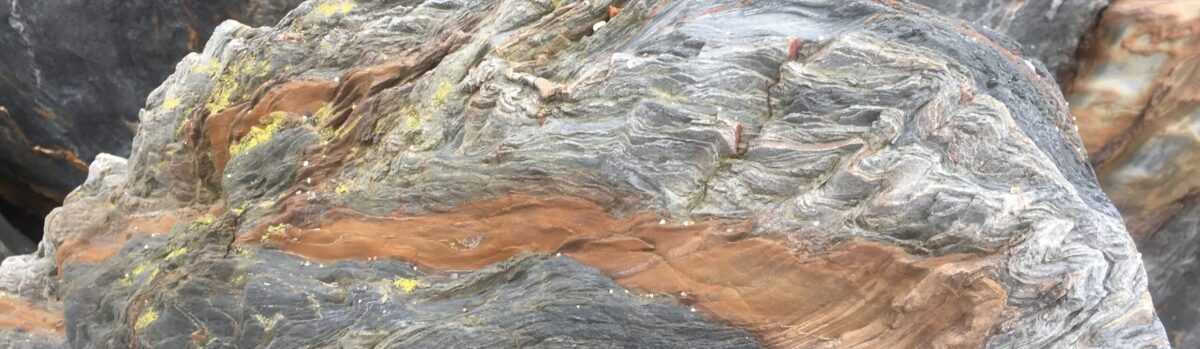
Anglesey contains a fascinating variety of rock types and geological structures, best exposed in a magnificent coastline. The bedrockgeology of Anglesey comprises a complex collage of igneous, sedimentary and metamorphic rocks that were formed between 300 and 650 million years ago.

There is very little on the fossils of the UK Permian, so this guide was a welcome addition, when it was published in 1988. This was the third of 1988, Palass’s guides to (usually) UK fossils, which the professional and amateur can use to identify and learn about the fossils they have found or want to find.

The first ever fossils I collected were from the spoils tips of the two coal mines in Aberdare, South Wales. Alas, these and most other such spoil tips have been landscaped and covered over. Clearly this was both inevitable and desirable after the closure the UK coal industry, but it is a shame for those of us who love Carboniferous Coal Measures plant fossils.

In this book, you will travel back millions of years in time, as though a time-traveller, to join wildlife safaris and visit ancient environments teeming with life. As the fossils come alive, you will experience and understand the fauna, flora and landscapes seen at localities in the geological past of Scotland.

There are several good books on the fossils of the Gault Clay and, by extension, Folkestone. However, this little guide has an advantage over the others that I have looked at.

Most PalAss guides, making up its wonderful library of guides to fossils, are about UK fossils. This is the only one that concentrates solely on non-UK geological formations. It is about two formations found in northeast Brazil and so is a complete departure from the usual format.

Like others in the series, Fossils of the Gault Clay has the usual excellent black and white photographs of beautifully prepared specimens. Each chapter is authored by a specialist in the relevant subject, containing an introduction, followed by detailed systematic descriptions of each specimen.

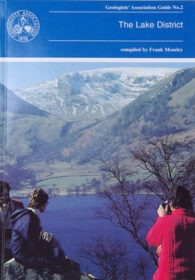
I like the GA guides. They are excellent resources for amateurs and professional geologists alike. I frequently browse mine, planning geological trips I will probably never take, because I live in geological unexciting London. Therefore, imagine how pleased I was to receive a GA guide to the Great Metropolis to review.

I have a soft spot for PalAss guides and have reviewed several in the past. As a collector myself, the amount of information about the relevant fossils is second to none, with black and white photos and descriptions of virtually everything the amateur or professional palaeontologist might need.

The blurb for this book states that it will “profoundly affect the way paleontologists and climatologist view the lives of ancient mammals”. However, not being either a (professional) palaeontologist or climatologist,but having read it with interest, I am not sure that is correct. Anyone with an active interest in what the interactions of ancient mammals and their environments tell us about the presentand future will be interested in this well-written and engaging book.

Increasingly nowadays, the London Clay Formation is becoming a favourite hunting ground for fossils and several good books have been written about it. This guide, written by eminent plant palaeobotanist, Margaret Collinson was the first published by PalAss in its library of guides to (usually) UK fossils for professionals and amateurs.

Just a couple of days before the Covid-19 lockdown, I was with friends at Tidmoor Point collecting wonderful pyrite ammonites from the Oxford Clay with this excellent guide to the South Dorset Coast. The South Dorset Coast runs from the West Fleet (of Chesil Beach fame) to and including the Isle of Portland.

Dorling Kindersley is well-known for producing popular reference media for beginners and enthusiasts. Its Eyewitness Guides to fossils and rocks and minerals, for example, along with their later addition, the Eyewitness Handbook of fossils, certainly makes a useful starting point for anyone new to geology or palaeontology.

This is a lovely little book and something of a departure for Dr Dean Lomax, who, these days is more often seen up to his elbows in ichthyosaur remains. However, this fun little book is rather different. Dean (and ably helped by the artwork of Mike Love) has created a full-colour popup book covering the ancestors of many of our favourite pets.

If you, like me, spend much of your palaeontological time collecting Jurassic and Cretaceous fossil cephalopods (ammonites, belemnites, nautiluses and the), you will be delighted at the number of books being published about this fascinating group of animals.

Dean Lomax, sometime author of articles in Deposits magazine, is certainly making a name for himself, and has been now for many years. For instance, in January 2022, he was on television explaining about a remarkable find at Rutland Water Nature Reserve. And now he continues his admirable efforts for popularise his chosen academic subject – palaeontology – in this fascinating book about the fossilisation of behaviour.

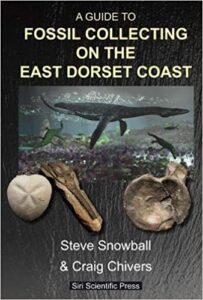
This newly published guide is another near-perfect fossil book from Siri Scientific Press, who are rapidly becoming my favourite publisher of esoteric palaeontology. This one is perhaps less arcane, as it deals with an area of Britain that has been extensively covered by various authors with varying degrees of success.